

Is a free VPN safe? 5 things to look for - weaverfestand
Virtual private networks are designed to preserve your namelessness on the net. But VPNs can hurt from data breaches as well, just like any service of process—equally a Holocene epoch written report reminded us totally. They also can be move past just well-nig anyone, so it's wise to scrutinize your options before sign language up.
That's especially true when picking a free VPN. Free services aren't automatically bad, but cyberspace connections, electrical energy, and servers cost money. To open those, non-slave VPNs Crataegus oxycantha show off you ads, sell your data, or use you as part of their network to route data for paid users.
(Need a excitable rundown on what you most need to know about VPNs? Check our list of the top 5 things to keep in mind.)
Soundly paid services South Korean won't push these practices on you, simply if you can't afford one, here's what you should look into to ensure your privacy. Generally, you want the VPN keep and share as little information near you as come-at-able.
This same criteria for evaluating a free VPN also applies to paid ones—especially those priced at passing low rates for a lifetime subscription.
WHO runs the VPN?
 PCWorld
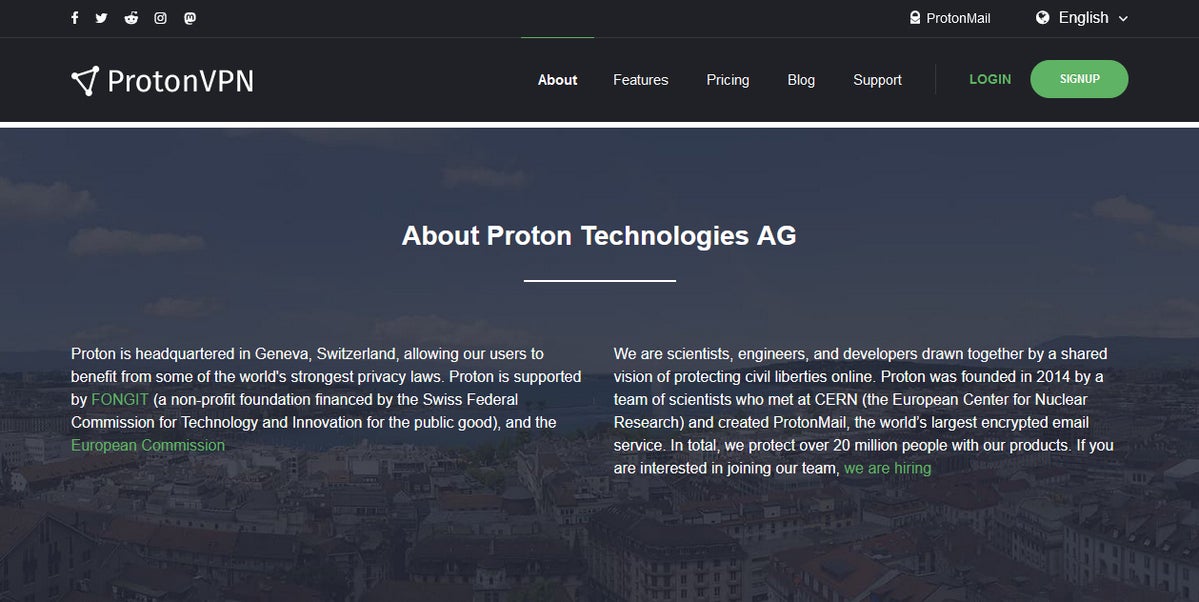
 Good VPNs will clearly abstract where their headquarters are, how the business is run, and the company bodily structure. Insight into the VPN's philosophical system is ministrant, too.
Anyone give the sack run a virtual private network—IT's non trying. Consequently, you should ever investigate WHO operates the VPN. You could be passing your traffic through a trusted, privacy-minded company offering small free service to reel in new customers…or all your internet activity could be going through a unity person who wants to monetize your habits at best and exploit the data at worst.
Look up who runs the service, how the company is organic, and where they're located. Where the VPN operates influences how much its local government and too your local government can dig into the data. Some countries suffer an agreement to ploughshare intelligence information with one another. For instance, the U.S. is part of multiple alliances.
What data does the VPN collect?
 PCWorld
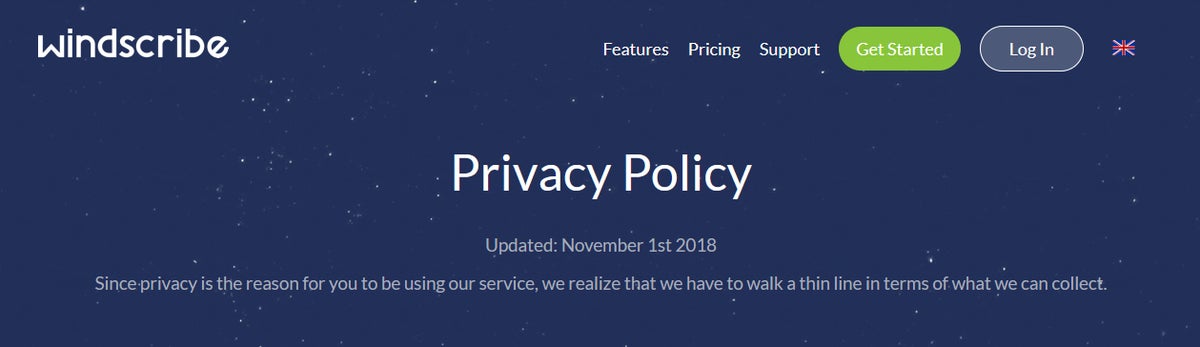
 A VPN's privacy policy should clearly explain what info gets self-contained.
The top VPN services retain virtually aught: nary email address, no Information processing addresses, zero logs of places visited connected the internet, and for paid VPNs, no traceable payments. Finding a free VPN that offers such high privacy is rare—the overwhelming majority keep data on users.
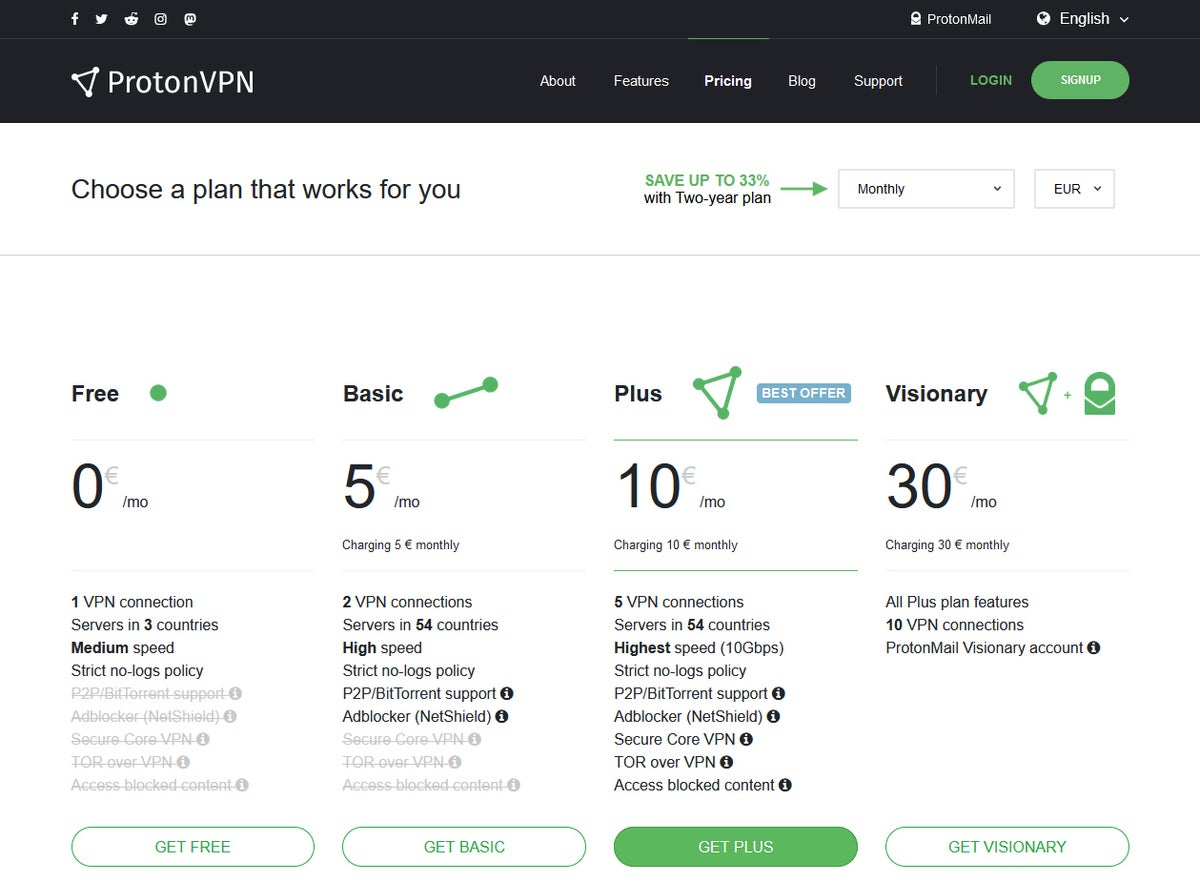
A good VPN bequeath excuse its security and privacy practices in clear, chaste spoken language in its FAQ and terms of service. For a real-world lesson, ProtonVPN's privacy policy uses straightforward language when detailing the information collected and stored (which is minimal). The party also states upfront how its business model works, with paid users subsidizing free members' limited accession. This glide slope is fairish for a complimentary, respectable VPN: You'Ra as good from bad actors Eastern Samoa a paid user is, but you experience uttermost fewer features.
What does the VPN do with your data?
 PCWorld
 A VPN's secrecy policy should likewise clearly explain how your data (if any) will comprise divided up.
As you enquiry what data a VPN provider keeps, as wel note WHO that data will be divided up with. Be wary of any service that only outlines its policy in shadowy price operating theatre doesn't disclose this data.
Often you'll find that slaveless VPNs (and even some paid VPNs) make money by aggregating your data with former users and selling IT. It's as wel lowborn for VPNs to reserve the moral to portion your information with government agencies conducting deplorable investigations. If you have good do to worry about governing surveillance, you should flavour into a square service that offers iron out-clad privacy crossways the board.
How does the VPN make money?
 PCWorld
 Large, well-best-known paid services that offer a free tier are the easiest VPNs to vet.
If you're not gainful for a VPN with money, you're likely paying in some other way—usually through suffering through ads, which can also personify a security risk of infection, operating theatre by providing information that can be oversubscribed to fascinated parties.
Services scarper by individuals or small outfits will more often lean connected these tactics to keep the lights on, but even some larger companies will aggregate your information with other users' to sell.
To avoid the endangerment that your individual data is being sold, be especially certain before downloading an app for a free VPN. Vet those soundly. A large amoun of downloads doesn't guarantee that a particular VPN is on the up and up.
How does the VPN secure your data?
 PCWorld
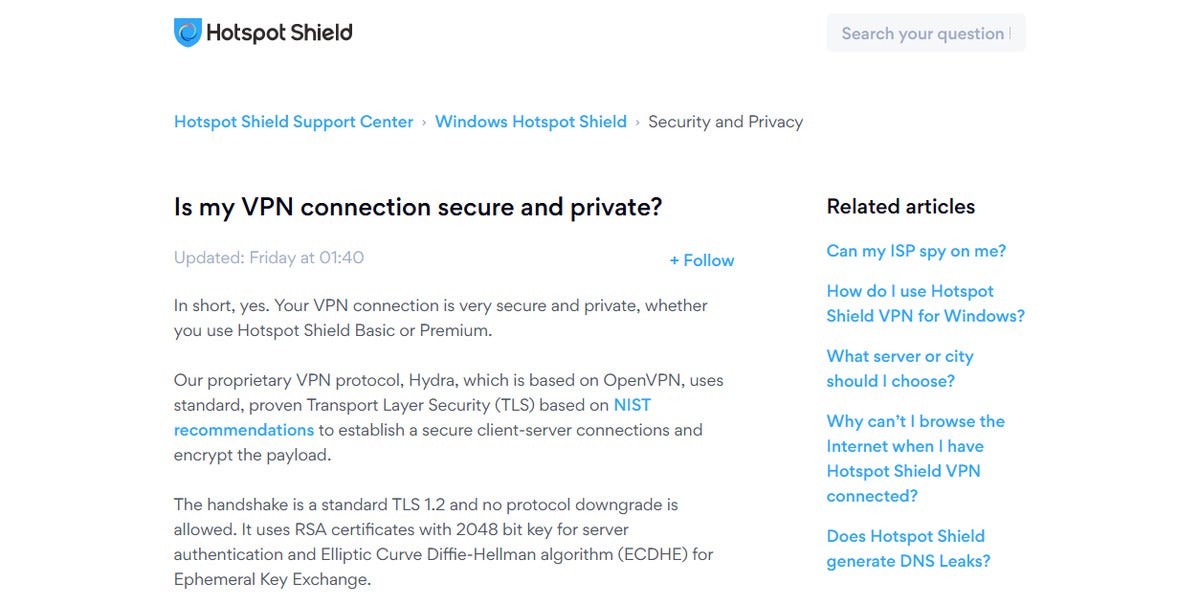
 For many VPNs, you'll pauperism to probe their FAQ and support pages to find info on their encryption methods.
Have it away the answer to this doubt for both information in transit—that is, when you'Re actively victimisation the service—and any data retained about you and your usage habits.
For data in transit, the protocols that the VPN supports indicate the general grade of encryption strength, as they define how your link first begins (the "handshake"), how the connection generates the piece of auxiliary information (the "key") misused to encrypt and decrypt data during the session (aka the key exchange), how long those keys die hard, and the method used to protect the established connection.
The ones to the highest degree extremely regarded by experts include OpenVPN, IKEv2/IPSec, and Wireguard, and they're widely used among VPN providers, though with variations in contour. One company might control stick finisher to diligence defaults to boast faster speeds, while another might dial prepared the key lengths/sizes used for encryption to go all out on security. A very winged-and-dirty screening tip is to skip any VPN that doesn't use a 2048-bit RSA key and 128-bit AES encryption at minimum.
Atomic number 3 for data collection, delve into how the company stores all the information, who has accession to it, and who it shares that information with. You want the answers to these questions: Is the information encrypted, and if so, how? What types of employees have access to user databases and logs? What third parties would IT of all time be shared with?
Best free VPNs to start with
Establish life easier on yourself aside first looking fit-famous, cured-regarded nonrecreational VPN services that offer a free contrive, such as ProtonVPN, Windscribe, or Hot spot Shield. You can also try out circumscribed VPNs, like the one built into Opera's desktop web browser and full-fat Android mobile browser—IT keeps any web browsing through with within Opera cloistered. (Anything cooked in a diverse program or app, including your operating arrangement, will not be kept private.)
If you find that a free VPN doesn't offer enough features or monetizes its service in a way that makes you discomfited, you'll demand to or else calculate into a post-free VPN. (You tin can check out our top recommendations to make your Richard Morris Hunt faster.) You'll still have to ask all these same questions, but the answers should be inferior unmanageable to line up and much in contrast with industry best practices.
Source: https://www.pcworld.com/article/394184/is-a-free-vpn-safe-5-things-to-look-for.html
Posted by: weaverfestand.blogspot.com
0 Response to "Is a free VPN safe? 5 things to look for - weaverfestand"
Post a Comment